
empowering functional movement
through osteopathy
Conditions we treat
-
From ankle sprains to hamstring strains, we assess what's been injured, explain it clearly, and build a rehab plan combining hands-on treatment with exercise.
For return to sport, AxIT strength testing helps guide the decision on when you're ready. -
Neck pain is common and can affect sleep, work and concentration. We assess what's contributing, use hands-on treatment where appropriate, and give you exercises and practical changes to help you manage it.
-
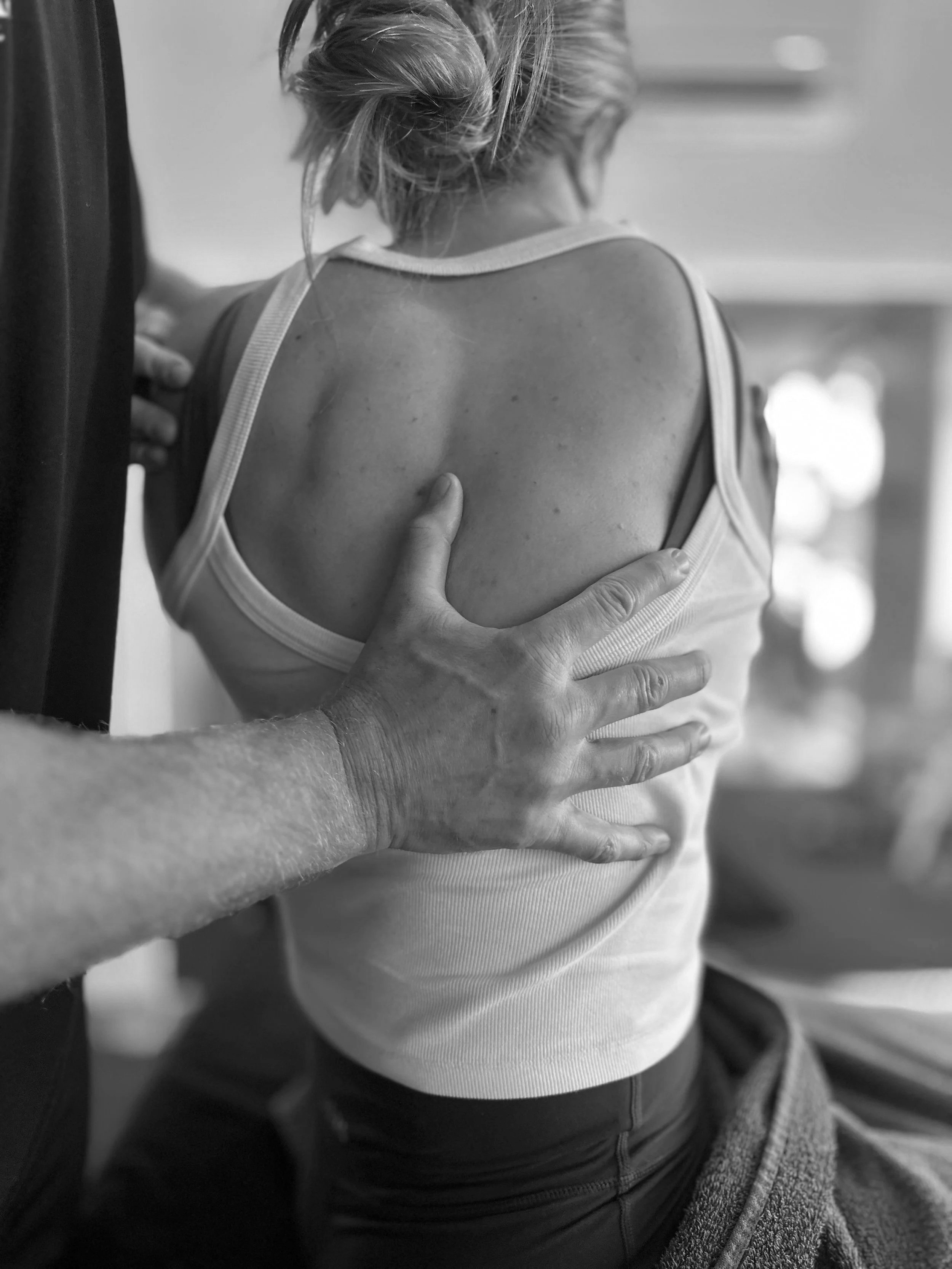
Shoulder pain can come from the joint, the rotator cuff tendons or the neck. We work out what's involved, then combine hands-on treatment with a strengthening program so you can take a bigger role in your own recovery.
-
Low back pain is one of the most common reasons people see an osteopath, and most of it isn't caused by serious damage. We assess your back, explain what we find, and use hands-on treatment, exercise and advice to help you stay active while it settles.
-
Hip pain and stiffness can affect walking, sleep and exercise. We use hands-on techniques, targeted exercise and advice on activity to help manage your symptoms and support hip function.
-
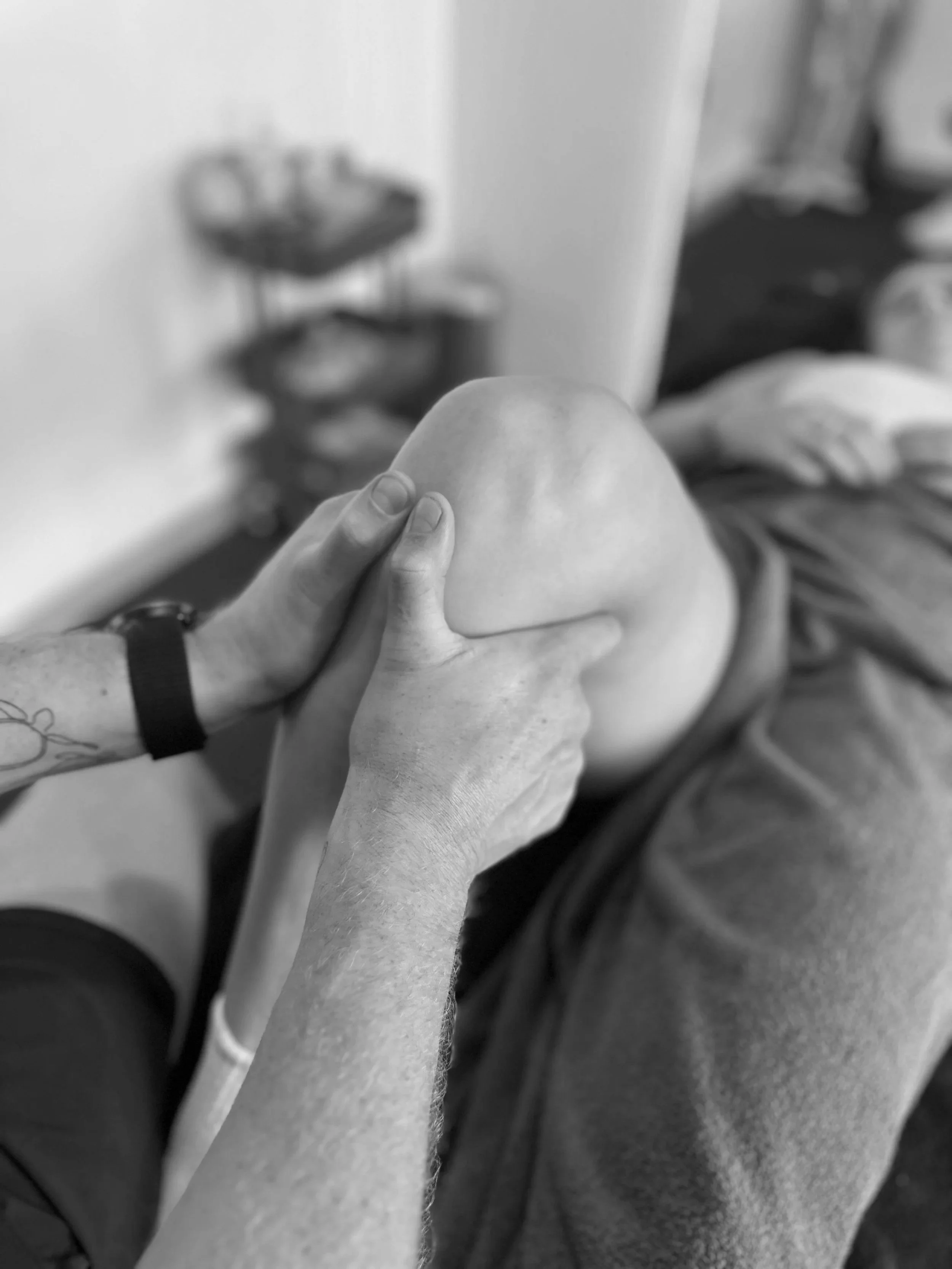
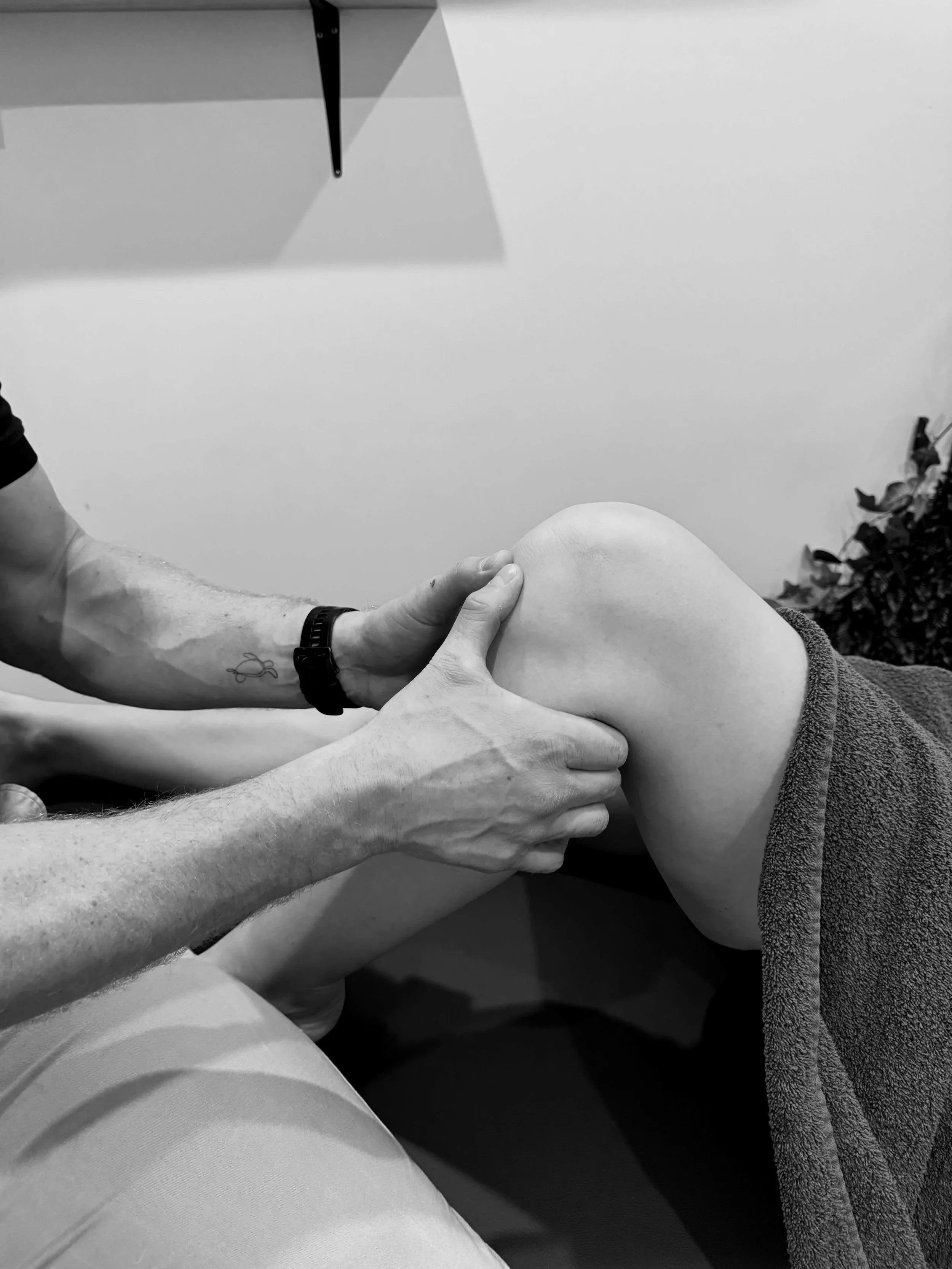
Knee injuries can involve ligaments, tendons, cartilage or the kneecap. We assess the knee, refer for imaging when it's needed, and build a rehab plan focused on strength and control. AxIT testing helps track your progress side to side.
-
Foot and ankle problems can come from injury, overuse, or changes in footwear and training. We assess the cause and use hands-on treatment, exercise and load management to help you manage symptoms and stay active.
-
Pregnancy and the months after birth bring big changes in posture, load and sleep. We see pelvic girdle pain, low back pain, and neck and wrist pain from feeding and lifting a baby, using gentle hands-on treatment and exercise suited to each stage.
-
Growing athletes get different injuries from adults, including growth-related knee and heel pain. We assess, explain it to both the young person and their parent, and plan training load so they can keep playing where it's safe to.